
Comprehensive Eye Solutions
- Cataract Services
- Glaucoma Services
- Retina Services
- Orbit and Oculoplasty
- Pediatric Ophthalmology
- Refraction
- Cornea Services
- Uvea Services
- Contact Lenses
- Opticals & Fitting
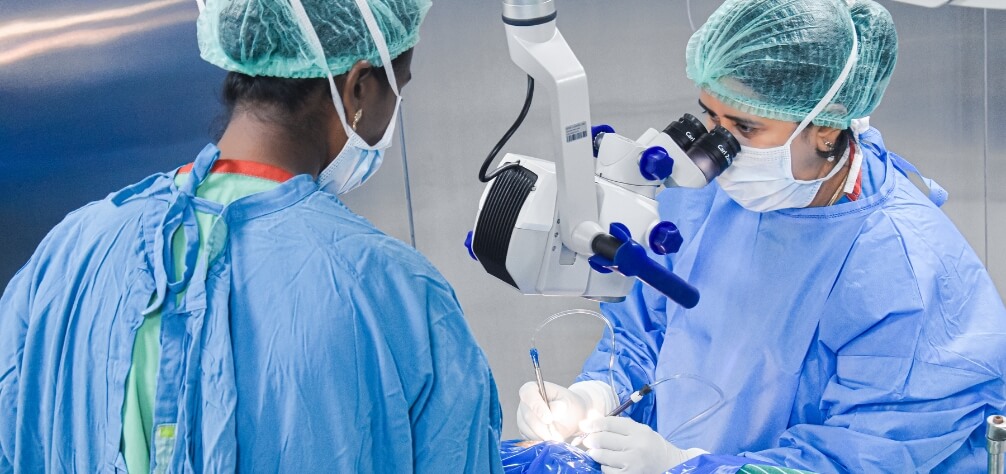
Cataract Services
Cataract services focus on diagnosing and treating cataracts, which cause clouding of the natural eye lens leading to blurred vision. These services typically involve surgical procedures to replace the cloudy lens with an artificial intraocular lens (IOL). With modern phacoemulsification techniques, recovery is faster, and outcomes are highly successful. Early detection and treatment restore clear vision and enhance quality of life.
Symptoms
- Blurred or cloudy vision
- Difficulty seeing at night
- Sensitivity to light and glare
- Fading or yellowing of colors
- Frequent changes in prescription glasses
Diagnostic Methods
- Visual acuity test
- Slit-lamp examination
- Retinal exam
- Tonometry
- Contrast sensitivity testing
Common Conditions Treated
- Age-related cataracts
- Congenital cataracts (present at birth)
- Traumatic cataracts (due to injury)
- Secondary cataracts (caused by other diseases like diabetes)
- Radiation cataracts
- Posterior subcapsular cataracts
Treatment Options
- Non-surgical management in early stages (glasses or magnifying lenses)
- Phacoemulsification cataract surgery
- Femtosecond laser-assisted cataract surgery
- Intraocular lens (IOL) implantation (monofocal, multifocal, toric)
Prevention & Tips
- Wear sunglasses to protect from UV rays
- Control medical conditions like diabetes
- Regular comprehensive eye exams
- Avoid smoking and alcohol
- Maintain a healthy diet rich in antioxidants
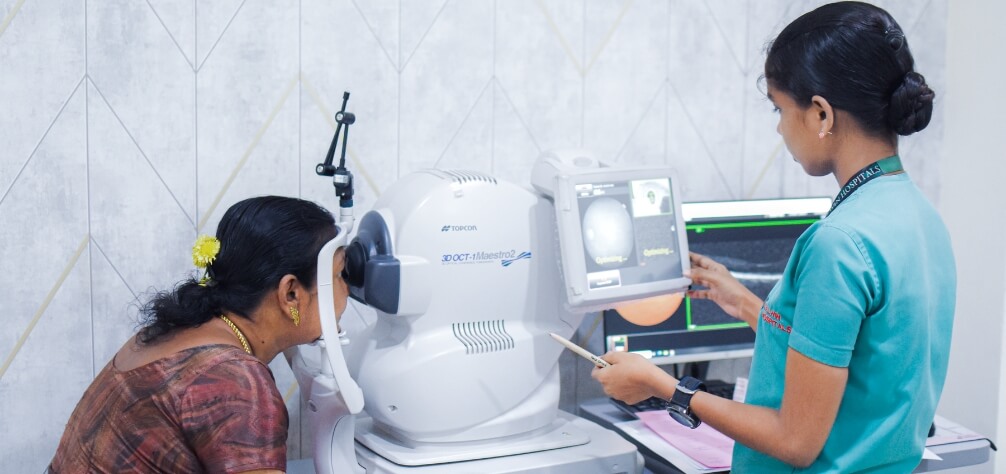
Glaucoma Services
Symptoms
- Patchy blind spots in peripheral or central vision
- Tunnel vision in later stages
- Severe eye pain (acute angle-closure glaucoma)
- Nausea and vomiting
- Sudden visual disturbance
Diagnostic Methods
- Tonometry (eye pressure test)
- Visual field test
- Optical coherence tomography (OCT)
- Pachymetry (corneal thickness measurement)
- Gonioscopy (angle examination)
Common Conditions Treated
- Primary open-angle glaucoma
- Angle-closure glaucoma
- Normal-tension glaucoma
- Congenital glaucoma
- Secondary glaucoma (due to injury or disease)
Treatment Options
- Prescription eye drops
- Oral medications
- Laser therapy (e.g., YAG PI)
- Trabeculectomy (surgical procedure)
- Minimally invasive glaucoma surgery (MIGS)
Prevention & Tips
- Regular eye exams
- Know your family history
- Exercise regularly
- Use prescribed eye drops consistently
- Protect eyes from injury
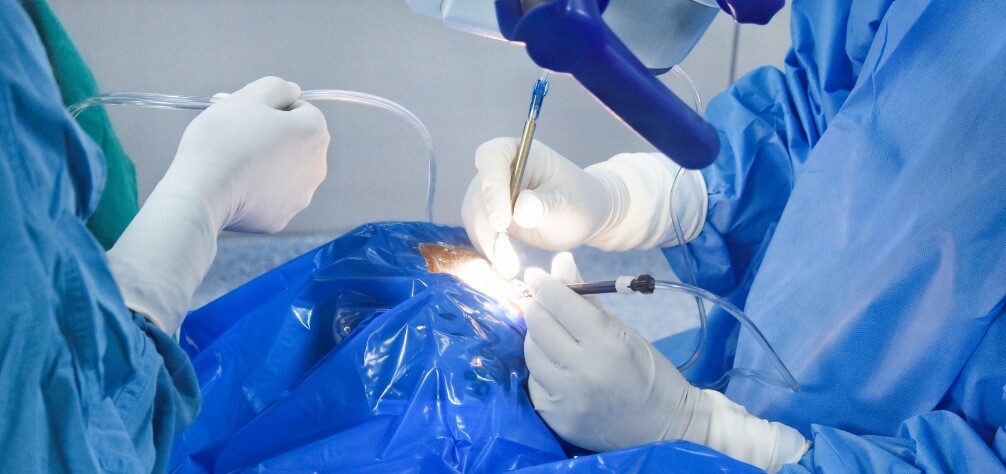
Retina Services
Retina services involve diagnosis and management of diseases affecting the retina, the light-sensitive layer at the back of the eye. Conditions such as diabetic retinopathy and age-related macular degeneration can severely impair vision if untreated.
Symptoms
- Sudden vision loss
- Blurred or distorted vision
- Dark spots or floaters
- Flashes of light
- Difficulty seeing in dim light
Diagnostic Methods
- Fundus photography
- Fluorescein angiography
- Optical coherence tomography (OCT)
- Ultrasound (B-scan)
- Visual acuity test
Common Conditions Treated
- Diabetic retinopathy
- Age-related macular degeneration (AMD)
- Retinal detachment
- Macular hole
- Retinal vein occlusion
Treatment Options
- Laser photocoagulation
- Intravitreal injections
- Vitrectomy surgery
- Anti-VEGF therapy
- Retinal detachment repair
Prevention & Tips
- Control blood sugar and blood pressure
- Quit smoking
- Wear protective eyewear
- Regular retinal exams
- Maintain a healthy diet
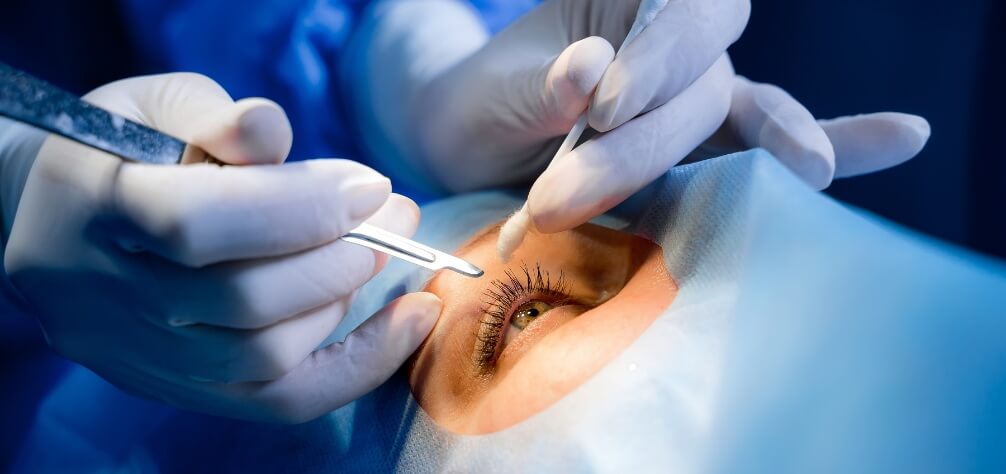
Orbit and Oculoplasty
Orbit and oculoplasty services address disorders of the eye socket (orbit), eyelids, and tear ducts. They include functional and cosmetic surgeries that enhance appearance and restore eye function.
Symptoms
- Droopy eyelids (ptosis)
- Bulging eyes
- Watery or dry eyes
- Eye pain or swelling
- Vision obstruction due to lid position
Diagnostic Methods
- CT/MRI of the orbit
- Tear duct probing
- External eye examination
- Visual acuity test
- Slit-lamp examination
Common Conditions Treated
- Ptosis (drooping eyelid)
- Ectropion/Entropion (eyelid malpositions)
- Orbital tumours or fractures
- Tear duct obstruction
- Thyroid eye disease
Treatment Options
- Blepharoplasty (eyelid surgery)
- Dacryocystorhinostomy (DCR)
- Ptosis correction
- Orbital decompression
- Cosmetic eye procedures
Prevention & Tips
- Use safety goggles during high-risk activities
- Treat thyroid or systemic conditions early
- Regular check-ups after eye trauma
- Maintain eyelid hygiene
- Early intervention for chronic tearing
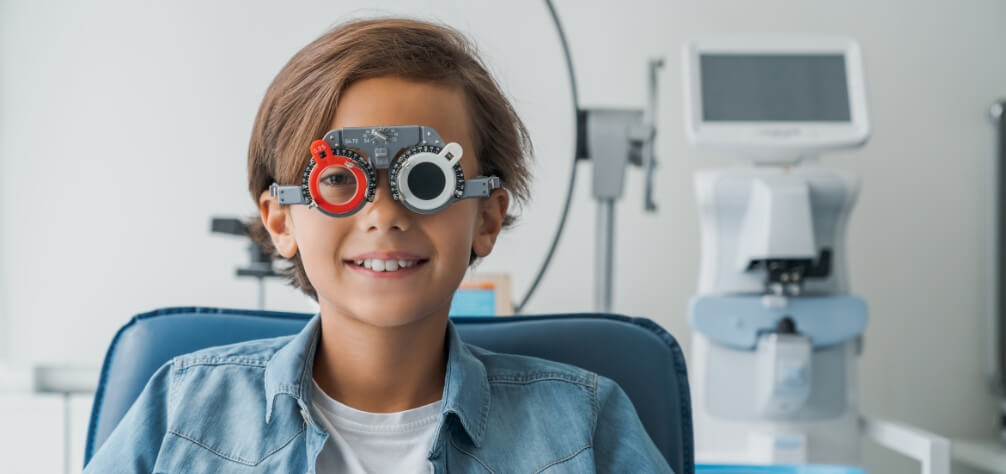
Pediatric Ophthalmology
Pediatric Ophthalmology focuses on diagnosing and treating eye conditions in children, ensuring healthy visual development and preventing long-term vision problems.
Symptoms
- Eye misalignment (squint/strabismus)
- Poor vision or lack of focus
- Frequent eye rubbing or blinking
- Head tilting or squinting to see clearly
- Difficulty reading or maintaining eye contact
Diagnostic Methods
- Visual acuity tests
- Eye alignment and movement tests
- Retinoscopy
- Slit-lamp examination
- Dilated eye exams
Common Conditions Treated
- Strabismus (squint)
- Amblyopia (lazy eye)
- Congenital cataracts
- Refractive errors (myopia, hyperopia, astigmatism)
- Pediatric glaucoma
- Blocked tear ducts
Treatment Options
- Prescription glasses or contact lenses
- Eye patching for lazy eye
- Vision therapy
- Surgical correction for squint or cataracts
- Eye drops or medication
Precautions and Tips
- Regular eye screenings from infancy
- Monitor for visual behavior changes
- Ensure proper lighting during reading
- Limit screen time
- Follow-up as advised by the ophthalmologist
Refraction
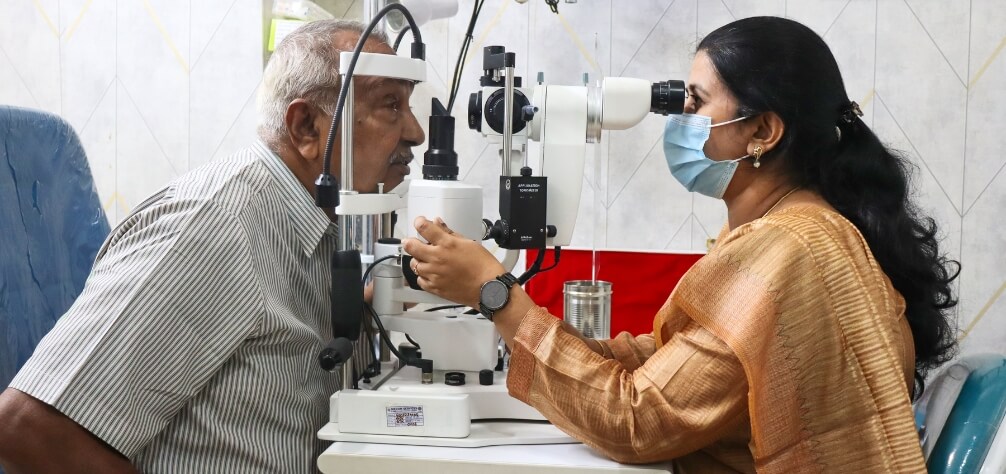
Refraction is the process of measuring the eye’s refractive error to prescribe corrective lenses for clear vision.
Symptoms
- Blurred vision
- Eye strain or headaches
- Difficulty seeing near or far
- Double vision
- Squinting to see clearly
Diagnostic Methods
- Retinoscopy
- Autorefractor testing
- Visual acuity test (Snellen chart)
- Subjective refraction with trial lenses
Common Conditions Treated
- Myopia (nearsightedness)
- Hyperopia (farsightedness)
- Astigmatism
- Presbyopia
Treatment Options
- Prescription eyeglasses
- Contact lenses
- Refractive surgery (LASIK, PRK)
Precautions and Tips
- Regular eye exams every 1–2 years
- Use lenses as prescribed
- Avoid excessive screen use
- Practice good lighting habits
- Protect eyes from UV rays
Cornea Services
Symptoms
- Eye redness or irritation
- Blurred or decreased vision
- Light sensitivity
- Tearing or discharge
- Foreign body sensation
Diagnostic Methods
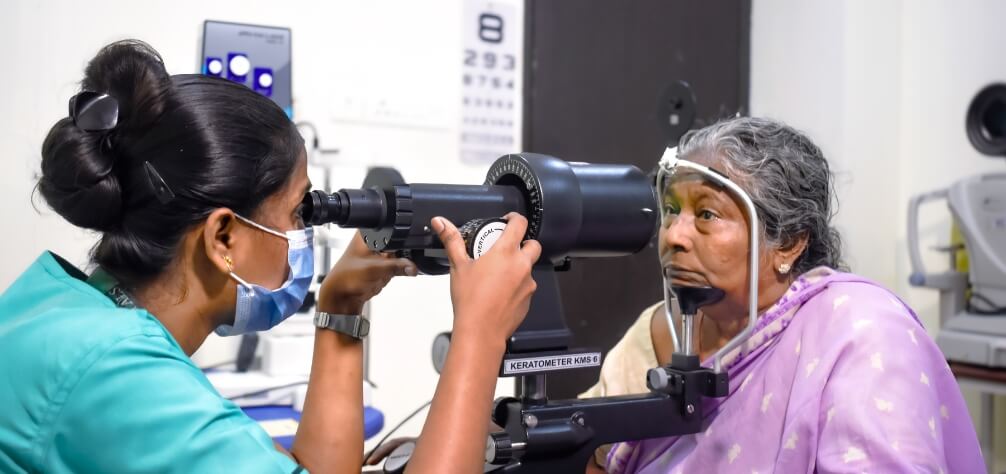
- Slit-lamp examination
- Corneal topography
- Pachymetry (corneal thickness)
- Fluorescein staining
- Confocal microscopy
Common Conditions Treated
- Corneal infections (keratitis)
- Corneal abrasions or injuries
- Corneal dystrophies
- Dry eye syndrome
- Corneal ulcers
- Keratoconus
Treatment Options
- Antibiotic/antiviral eye drops
- Lubricating eye drops
- Corneal cross-linking for keratoconus
- Corneal transplantation (keratoplasty)
- Protective contact lenses
Precautions and Tips
- Avoid touching or rubbing eyes
- Use clean water and hygienic habits
- Remove contact lenses before sleeping
- Wear protective eyewear in dusty or risky environments
- Follow prescribed treatment diligently
Uvea Services
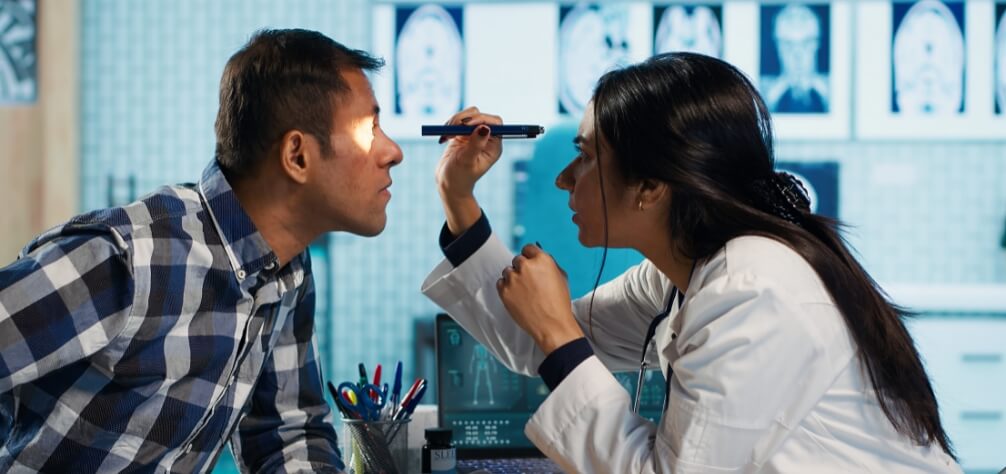
Uvea services deal with inflammation and diseases of the uvea—the middle layer of the eye, comprising the iris, ciliary body, and choroid.
Symptoms
- Eye redness and pain
- Light sensitivity
- Blurred vision
- Floaters
- Reduced vision
Diagnostic Methods
- Slit-lamp examination
- Fundus examination
- Fluorescein angiography
- Optical Coherence Tomography (OCT)
- Blood tests and imaging for systemic causes
Common Conditions Treated
- Anterior uveitis (iritis)
- Intermediate/posterior uveitis
- Panuveitis
- Uveitis associated with autoimmune diseases
- Infections causing inflammation
Treatment Options
- Anti-inflammatory eye drops (steroids)
- Oral or injectable steroids
- Immunosuppressive medications
- Treatment of underlying systemic disease
Precautions and Tips
- Adhere to follow-up schedules
- Avoid skipping medication
- Use sunglasses for light sensitivity
- Seek prompt care if symptoms worsen
- Monitor for recurrence of inflammation
Contact Lenses
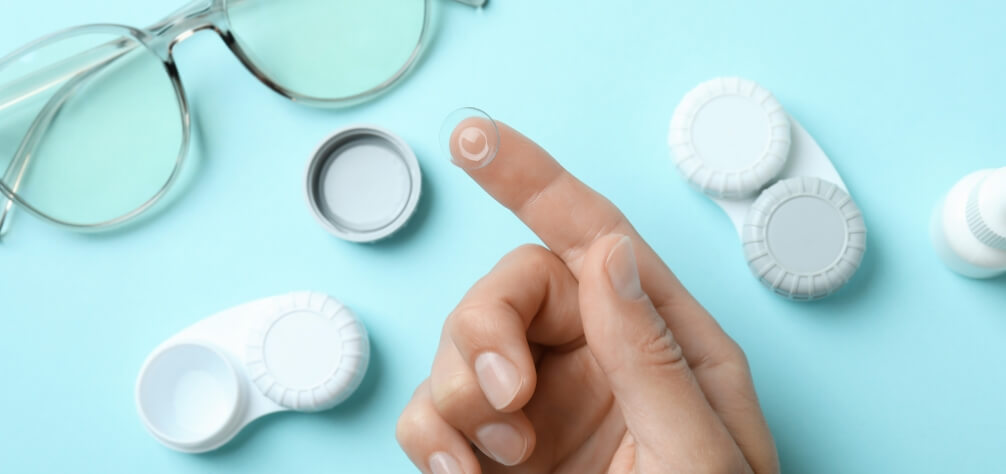
Contact lenses are medical devices worn directly on the cornea to correct refractive errors, offering an alternative to spectacles.
Symptoms
- Blurred vision needing correction
- Discomfort with glasses
- High refractive errors
- Need for wide field of view (e.g., in sports)
Diagnostic Methods
- Refraction test
- Corneal topography
- Tear film evaluation
- Lens fitting trial
Common Conditions Treated
- Myopia
- Hyperopia
- Astigmatism
- Presbyopia
- Keratoconus (with special lenses)
Treatment Options
- Soft lenses (daily/extended wear)
- Rigid gas permeable lenses
- Toric lenses for astigmatism
- Multifocal lenses
- Scleral lenses for irregular corneas
Precautions and Tips
- Follow hygiene rules strictly
- Never sleep with lenses (unless prescribed)
- Replace lenses on schedule
- Avoid water contact with lenses
- Regular eye check-ups
Opticals & Fitting
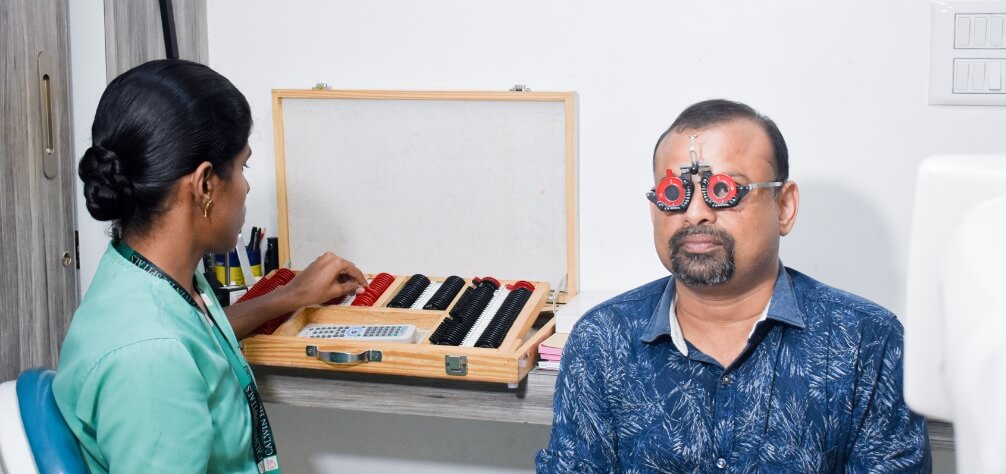
Optical services provide vision correction through high-quality spectacles and lenses, with expert fitting for optimal comfort and performance.
Symptoms Needing Opticals
- Blurred vision
- Eye fatigue or strain
- Frequent squinting
- Inability to read or focus clearly
- Poor night vision
Diagnostic Methods
- Eye refraction test
- Face shape analysis
- Pupil distance (PD) measurement
- Trial frame fitting
Common Solutions Provided
- Prescription eyeglasses for all refractive errors
- Sunglasses with UV protection
- Blue light protection lenses
- Sports and safety eyewear
- Children’s eyewear
Treatment Options
- Single vision, bifocal, progressive lenses
- ARC, blue cut, photochromic coatings
- Custom frame adjustments
Precautions and Tips
- Clean lenses daily
- Store glasses in a case
- Don't wear damaged glasses
- Update prescriptions regularly
- Choose lenses suited to daily habits